Amianto manufacturers made products for decades that contained this harmful mineral. Amianto products included insulation, machinery, construction materiales, and shipbuilding components. Exposed workers and their families continue to hold these manufacturers accountable through lawsuits and other legal actions.
Si a usted o a un ser querido le han diagnosticado mesotelioma, amianto-related lung cáncer, o asbestosis, usted puede ser elegible para un beneficio sustancial compensación. There is currently over $30 billion in amianto fondos fiduciarios darse de víctimas de enfermedades relacionadas con el amianto. We invite you to fill out our form today for a free Financial Compensación Packet, filled with information about experienced mesotelioma lawyers in your area, how to get paid in 90 days, how to file an amianto fondo fiduciario afirmar, and much more.


Paquete de compensación financiera GRATUITO
- Información sobre despachos de abogados que recuperarán su INDEMNIZACIÓN MÁS ALTA
- Aprenda cómo cobrar en 90 días
- Solicite su parte de $30 mil millones en fondos fiduciarios
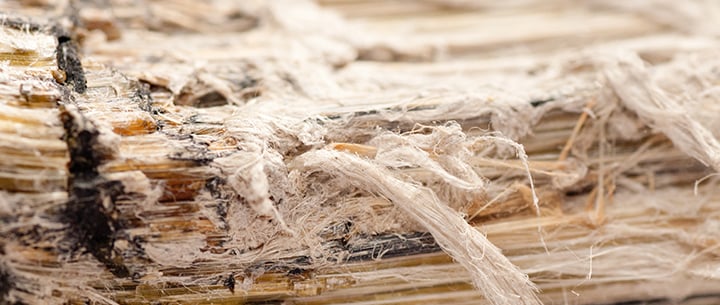
The History of Asbestos Manufacturing and Asbestos Companies
Amianto is a natural mineral that has been mined and used for thousands of years. Its use increased during the Industrial Revolution of the 1800s and later. Industrial use of amianto in the U.S. peaked in the middle decades of the 1900s.
Amianto became important to many industries because it was cheap, abundant, and an excellent insulator. It can also protect against fire and resist electricity and many chemical reactions.
Many empresas began making amianto products to insulate and fireproof and to make certain materiales stronger.
Several types of empresas were involved in the manufacturing and use of amianto products:
- Mining companies mined asbestos from natural deposits, including several in the U.S. and Canada.
- Asbestos suppliers provided raw, mined asbestos to manufacturers.
- Asbestos product manufacturers used asbestos to make products like insulation and automotive parts.
- Distribution and retail companies sold asbestos products to other companies.
- Many companies in a wide range of industries bought asbestos products to use in their own products, such as buildings, ships, vehicles, and more.
Some health experts, empresas, and manufacturers knew about the health risks of amianto by the early 1900s. It wasn’t until the 1970s that the dangers of amianto exposure became widely known.
In the 1970s, laws began to pass that would limit amianto exposure and even amianto use. Many empresas stopped or began to phase out using amianto.
The Clean Air Act and the U.S. Environmental Protection Agency were instrumental in protecting people from amianto and ensuring empresas would begin to phase out its use.
Thousands of lawsuits followed the widespread knowledge of amianto dangers. Workers sued empresas that exposed them to amianto and caused their mesotelioma and other illnesses. Several amianto empresas filed for bankruptcy after facing so many costly lawsuits.
Which Companies Made Asbestos and Asbestos Products?
A myriad of amianto manufacturers played a part in contributing to dangerous illnesses such as mesotelioma maligno y amianto-related lung cáncer:
- 3M
- ABB Lummus Global, Inc.
- Armstrong Cork Company (AC&S)
- A.P. Green Industries
- The Abex Corporation
- Amatex Corporation
- Armstrong World Industries
- Babcock, Wilcox & Company
- Bell Asbestos Mines
- Bestwall Gypsum
- BorgWarner Incorporated
- C. E. Thurston Company
- Celotex Corporation
- CertainTeed Corporation
- Combustion Engineering (CE)
- Congoleum Corporation
- Crown Cork & Seal
- Daimler-Chrysler
- Dana Corporation
- EaglePicher Industries Inc.
- Ehret Magnesia Manufacturing Company
- Federal-Mogul Corporation
- Flexitallic
- The Ford Motor Company
- Foseco
- Foster Wheeler
- General Aniline and Film (GAF) Corporation
- Garlock Sealing Technologies
- General Electric
- General Motors (GM)
- Georgia-Pacific
- Gold Bond
- H.K. Porter Inc.
- Harbison-Walker Refractories Company
- Honeywell Heating Specialty Co.
- J.H. France Refractories Co., Inc.
- J.T. Thorpe and Son, Inc.
- John Crane Company
- Johns Manville
- Kaiser Aluminum
- Kelly-Moore
- Kentile Floors
- Leslie Controls
- Lincoln Electric Company
- M.H. Detrick Company
- Malleable Iron Range Co.
- Mergenthaler Linotype Company
- Mobil Oil Corporation
- National Gypsum
- The Nicolet Company
- North American Refractories Company (NARCO)
- Owens Corning Corporation
- Philadelphia Asbestos Corporation
- Pittsburgh Corning
- Porter Hayden Company
- Rapid American Corporation (Philip Carey Manufacturing Corp.)
- Raybestos Industries
- Rock Wool Manufacturing Company
- Rutland Fire Clay Company
- Shook and Fletcher
- Synkoloid Company
- The Flintkote Company
- Union Asbestos and Rubber Company (UNARCO)
- Union Carbide
- W.R. Grace & Co.
- Western MacArthur Company
- Westinghouse Electric Company
Although these empresas were regulated many years ago, former workers, spouses, and adult children of people who worked around amianto are still being diagnosed with amianto-related illnesses at an alarming rate.
Experts speculate that the worst has yet to happen and that the rate of mesotelioma will continue to rise.
Due to the sheer amount of deaths and illnesses caused by asbestos, many of the empresas above have set up amianto fondos fiduciarios to help compensate future victims.
Other empresas were sued for millions. In 2002 alone, over 700,000 plaintiffs filed amianto lawsuits against more than 8,000 amianto manufacturers.
What Products Contained Asbestos?
Some amianto empresas provided raw amianto mineral, but most made products that contained amianto. Amianto went into automotive and machinery parts, ships, and equipment used in manufacturing and other industrial workplaces.
Some of the heaviest use of amianto occurred in the construction industry. Hundreds of products that went into commercial, industrial, and residential buildings contained amianto, including:
- Aislamiento
- Paneles de yeso
- Joint compound
- Cemento
- Insonorización
- Materiales para techos
- Vinyl flooring and adhesives
- Vía muerta
- Textured paint
- Boiler and woodstove components
Did Asbestos Companies Know About the Dangers?
Many amianto empresas knew about the dangers and risks of amianto for years without warning employers and their workers.
There is plenty of evidence of empresas that knew about the illnesses amianto could cause. One of the worst offenders in hiding amianto safety information was construction product manufacturer Johns Manville:
- Johns Manville conducted internal investigations of asbestos and its dangers. After the results proved that asbestos was causing injuries and dangerous illnesses, the company hid the evidence and continued business as usual.
- Decades would pass before their hidden internal investigations would surface.
- By the 1960s, physicians and scientists were gathering information on asbestos risks, and by 1964, they had identified a clear link between asbestos exposure and cancer.
- According to research, numerous people died from asbestos exposure from 1943 to 1962 after working around asbestos and ingesting its harmful fibers.
- Yet, there were still no regulations in place, and asbestos manufacturers continued to supply it to various companies across the world.
- This allowed Johns Manville to keep using asbestos in spite of knowing about the dangers as early as 1934.
It wasn’t until the 1970s that strict regulations were finally placed on amianto manufacturing. Under the Clean Air Act of 1970, the Environmental Protection Agency (EPA) created the National Emission Standards for Hazardous Air Pollutants (NESHAP), which prohibited many of the ways that amianto was manufactured and used.
Over the next several years, empresas began to phase out amianto use, but workers had been exposed for so long that many had already developed life-threatening diseases.
Do Any Companies Still Use Asbestos Today?
Old amianto lingers in many buildings and some ships, equipment, and vehicles. Most empresas stopped actively using amianto decades ago.
The U.S. no longer mines amianto, but can be imported and used in certain applications. One industry that still uses amianto products is chemical manufacturing. Chlor-alkali plants use amianto diaphragms in the process of making chlorine. Most of the empresas still using it are now phasing out amianto.
It’s also important to note that empresas are still allowed to use amianto. There is no ban on amianto in the U.S. Manufacturers are only required to label products as containing amianto if the total content is 1% or more. Other countries that have not banned amianto incluir:
- China
- India
- Mongolia
- Russia
- Singapore
- Ukraine
Can Asbestos Companies Be Held Accountable for Asbestos Exposure?
Yes, victims of amianto exposure and those diagnosed with an amianto illness can hold amianto manufacturers accountable and liable for damages.
You can presentar una demanda to recover damages if the empresas responsible still exist. Mayoría amianto lawsuits end in asentamientos, but they ocassionally go to trial and sometimes result in large jury awards.
You cannot sue empresas protected by bankruptcy. Many amianto empresas that went bankrupt set up fondos fiduciarios de amianto to compensate victims. You could qualify to make a afirmar for compensación.
If you worked for an amianto company or with their products, talk to your doctor about screenings for cáncer. Talk to a mesothelioma law firm sobre sus opciones legales.
Legal Resources For Asbestos Victims
If you’ve been injured by mesotelioma, amianto-related lung cáncer, or asbestosis, keep in mind that there is a good chance that you’ll qualify for considerable compensación. Don’t forget to fill out our form to get our free Financial Compensación Packet, filled with information on the experienced amianto y mesotelioma attorneys in your area. Si tiene preguntas o necesita ayuda adicional, contáctenos en 800-793-4540.