San Francisco Dry Dock (Hunters Point Naval Shipyard) was one of the oldest shipyards in the U.S., with one of the highest rates of past amianto use. The company’s use of amianto-containing products left many workers with life-threatening amianto illnesses like mesotelioma.
Si usted o un ser querido sufre de mesotelioma, amianto-related lung cancer, or asbestosis, you may qualify for substantial compensación. Currently, there is over $30 billion in amianto trust funds, awaiting those who’ve been diagnosed with an amianto illness. We invite you to use our Amianto Attorney Locator Tool to find an experienced mesotelioma lawyer in your area.


Paquete de compensación financiera GRATUITO
- Información sobre despachos de abogados que recuperarán su INDEMNIZACIÓN MÁS ALTA
- Aprenda cómo cobrar en 90 días
- Solicite su parte de $30 mil millones en fondos fiduciarios
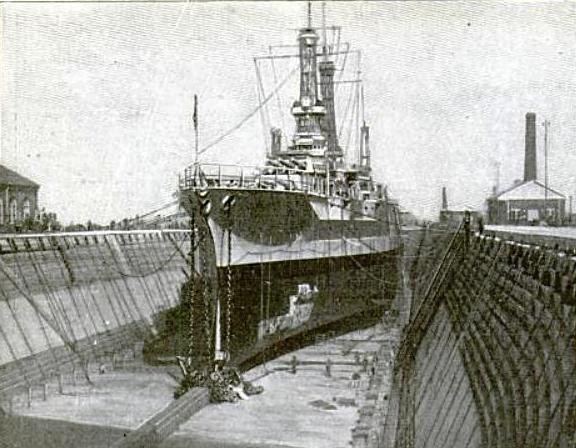
Did Hunters Point Naval Shipyard Use Asbestos?
Hunters Point and before that, the San Francisco Dry Dock operated shipbuilding and repair facilities when many industries used amianto. Shipyards used amianto extensively, primarily between the 1930s and 1970s.
Amianto provided the shipping industry with a lightweight, inexpensive solution for insulating and fireproofing. It could be found in hundreds of components that went into ships.
San Francisco Dry Dock and Hunters Point Naval Shipyard History
San Francisco Dry Dock was initially created in 1870 by the Union Iron Works Company. Once the company stopped making money, it was bought by the Bethlehem Shipbuilding Company under the name Hunters Point Dry Dock.
In preparation for the upcoming World War I, Bethlehem Shipbuilding Company began building all types of vessels, including destroyers, cruisers, and more. During this time, the shipyard built the West Coast’s first steel ship.
Once World War I started, the shipyard continued building different vessels, including 18 submarines and over 60 destroyers. After the war, the Marina de guerra leased docks from private owners, which provided deep-water access between Bremerton, Washington, and San Diego.
When World War II started, the Navy bought the docks from the owners and changed the shipyard’s name to Hunters Point Naval Shipyard.
The shipyard became one of the largest shipyards on the West Coast and the main site for the military’s applied nuclear research facility, the Naval Radiological Defense Laboratory. At one point, it was home to the world’s largest gantry crane.
Hunters Point ceased operations in 1974. The Marina de guerra leased the space until 1986 when it was reactivated. El Marina de guerra finally closed the site for good in 1991 after it was listed as a Superfund Site.
Eventually, Bethlehem Steel sold the site to the United States Marine Repair, currently known as BAE Systems Ship Repair. Puglia Engineering bought the property in 2017.
The San Francisco Dry Dock covers 26 acres and is being redeveloped for new uses. These include artist studios, office space, housing, and event venues.
How Did Hunters Point Use Asbestos?
Like other shipyards of its era, Hunters Point used amianto heavily. The primary use for amianto was as an insulating material. Some of the many materials that went into ships and that contained amianto incluir:
- Aislamiento
- Wall panels
- Pipes
- Calderas
- Zapatillas
- Engines
- Juntas
- válvulas
- focas
- Adhesivos
- Textiles
- Rope
In addition to the amianto shipped to and used at Hunters Point, the site sat on top of a natural deposit of serpentine rock with amianto.
Who Was Exposed to Asbestos at Hunters Point and San Francisco Dry Dock?
Anyone who worked at Hunters Point and veteranos who served there were at risk of amianto exposure. Amianto materials readily shed tiny fibers that workers could then inhale.
Workers with the most significant risk of exposure handled amianto materials directly. Insulators and pipefitters, for instance, had to cut into and manipulate amianto insulation as they worked, causing high exposure levels.
Numerous former workers at the shipyard have already developed life-threatening amianto illnesses, including mesotelioma maligno y cáncer de pulmón relacionado con el amianto.
Family members were also at risk of developing amianto illnesses. Although the dangers of amianto were known, most workers at San Francisco Dry Dock weren’t given the proper protective gear and clothing to help protect them from fibras de amianto.
Workers could then return to their family home in work clothes that were filled with tiny fibras de amianto.
Hunters Point Superfund Site
San Francisco Dry Dock used amianto and numerous other hazardous substances throughout its facilities and on vessels. In fact, in 1989, so many toxins were found that the EPA named the site a Superfund.
Cleanup was a big project, which included the removal of more than 220,000 square feet of amianto materials in just one year.
In 2018, a letter from the EPA outlined ongoing issues at Hunters Point. The local Superfund division manager accused the Marina de guerra of falsifying information and understating the severe contamination at the site.
As San Francisco began redevelopment of the Hunters Point site, issues with amianto arose. Developers dug into serpentine deposits, releasing natural amianto. The Bay Area Air Quality Management District fined the developer in 2007 for putting workers and residents at risk of amianto exposure.
Local residents tested positive for amianto and other contaminants in their blood. Levels of amianto in the air reached 138,000 particulate matter, much higher than is safe.
Hunters Point Asbestos Lawsuits
If you or a loved one worked at San Francisco Dry Dock and Hunters Point Naval Shipyard, talk to a abogado especializado en mesotelioma sobre sus opciones legales.
Victims of workplace amianto exposure, both civilians and veteranos, can sue amianto suppliers for damages if they get sick.
One example of a lawsuit related to Hunters Point involved Ulysses Collins. Collins worked as a welder at Hunters Point from 1960 to 1973. He sued several companies that supplied the shipyard with amianto materials after developing mesotelioma.
Collins died from mesotelioma in 2005, but his family carried on the lawsuit. A jury sided with the family and awarded them more than $10 million in damages.
A lawsuit is one option for seeking compensación for amianto exposure and illness. You might also qualify for compensación through an fondo fiduciario para el amianto. If you are a veterano, a lawyer can help you apply for Beneficios del VA, like disability payments.
Help and Resources for Asbestos Victims
If you’ve been injured by mesotelioma, amianto-related lung cancer, or asbestosis, keep in mind that there is a good chance that you’ll qualify for considerable compensación. Remember to use our Amianto Attorney Locator Tool to find an experienced mesotelioma attorney in your area. If you have questions or need additional assistance, contact us at 800-793-4540.