The U.S. Marina de guerra has relied on submarines for over 100 years. Most submarines were made with amianto until about 1980. Amianto on submarines caused exposure and left many veteranos with a diagnosis of mesotelioma or lung cancer.
Si le diagnosticaron mesotelioma, amianto-related lung cancer, or asbestosis, you might be entitled to considerable compensation. Fill out our form to receive our free Financial Compensation Packet. Our packet is loaded with information on experienced mesotelioma attorneys in your area, how to file a claim for amianto Fondos fiduciarios, cómo recibir el pago en 90 días y más.


Paquete de compensación financiera GRATUITO
- Información sobre despachos de abogados que recuperarán su INDEMNIZACIÓN MÁS ALTA
- Aprenda cómo cobrar en 90 días
- Solicite su parte de $30 mil millones en fondos fiduciarios
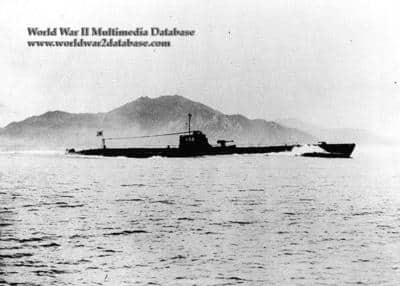
Why Did U.S. Navy Submarines Have Asbestos?
Submarines and most other Marina de guerra vessels built from about the 1930s to 1970s were made with hundreds of amianto components.
Marina de guerra vessels of all types used amianto primarily as an insulator. During its peak use, amianto was abundant and expensive. It was a readily available material that could insulate all the heat-generating and heat-carrying areas of ships. It could also effectively protect against fires on ships.
Did the Navy Stop Using Asbestos on Submarines?
Yes, when the dangers of amianto became well known, the Marina de guerra stopped using amianto. The first official recorded use of amianto on submarines was in 1922. The Marina de guerra stopped using amianto in the 1970s and began removing it from vessels shortly after.
Do Any Submarines Still Contain Asbestos?
While the Marina de guerra stopped using amianto and even actively removed it, some amianto lingers on vessels, including submarines. It hasn’t been feasible to remove it all. Any amianto that remains should be contained and poses little risk to current service men and women.
About Submarines
Submarines are large Navy vessels that operate fully submerged in water. Submarines can travel and operate at depths of 1,600 feet.
U.S. Navy Submarine Designations
El Marina de guerra has been using submarines for over 100 years. The Union and Confederate States even had primitive submarines in use during the Civil War. Today, the three main types of submarines are:
- Attack submarines (SSN). SSN vessels seek and destroy enemy vessels. They utilize Tomahawk cruise missiles that can also be used on shore. Attack submarines also gather intelligence, support fleets, lay mines, and conduct surveillance.
- Ballistic missile submarines (SSBN). Ballistic missile submarines are capable of launching nuclear weapons. They are used solely for strategic deterrence.
- Guided missile submarines (SSGN). SSGN vessels are designed for strike missions and special operations. They are loaded with tactical missiles. They also have high-tech communication systems to connect with Combatant Commanders and Special Ops.
A History of U.S. Navy Submarines
Submarines were in use during the Civil War, but they were limited. The Confederate States’ Hunley sank a Union ship in Charleston Harbor. It was the first sinking of an enemy vessel by a submarine during war.
- Submarines in World War I. By WWI, submarines were much more advanced and useful in warfare. The U.S. Navy’s first submarine was the USS Holland. By 1916 the Submarine Force U.S. Atlantic Fleet was prepared for the U.S. entering the war in 1917. The Navy then began building a Pacific Fleet. U.S. submarines in WWI defended coasts and patrolled the English Channel and North Sea.
- World War II Submarines. The U.S. Navy destroyed over 30 percent of the Japanese Navy’s vessels using submarines. This included a battleship, cruisers, and aircraft carriers. A total of 314 submarines were used during World War II by the U.S. Navy. At least 52 of these submarines were lost during the war, yet the powerful vessels were also responsible for sinking 1,560 enemy ships. They also rescued American pilots.
- Post-War Submarines. The Navy continued to upgrade submarines after WWII. These newer vessels could move faster and stay underwater longer. New classes during this period included the Tang, Skate, and Seawolf submarines. During the Cold War and continuing today, submarines became important as deterrents to war. Today, there are more than 50 submarines active in the U.S. Navy.
Where Was Asbestos Used on Submarines?
According to militar documents and memos, amianto was used extensively when constructing and repairing submarines. It went into hundreds of components to protect against heat and fire. These are just some examples:
- Insulation throughout vessels
- Calderas
- Turbines
- Torpedo rooms
- Juntas
- válvulas
- Flooring and ceiling materials
- Equipo de extinción de incendios
- Revestimiento de tuberías
Documentation of Asbestos Use in Submarines
Many sales orders, repair logs, documents, memos, and letters on file with the U.S. militar confirmed that amianto-containing products were purchased and used on submarines.
Two submarines, in particular, the USS Croaker and the USS Triton, were found to have excessive amounts of amianto. Almost all of the other submarines created before the late 1970s were found to have unsafe levels of amianto.
U.S. Submarines With Asbestos
Documentation makes it clear that many submarines were constructed with amianto. These are some of the known vessels with known amianto:
- USS Abraham Lincoln
- USS Albacore
- USS Andrew Jackson
- USS Balao
- USS Barracuda
- USS Batfish
- USS Benjamin Franklin
- USS Dace
- USS Dorado
- USS Daniel Boone
- USS Ethan Allen
- USS Gato
- USS Grouper
- USS Halibut
- USS Hammerhead
- USS Icefish
- USS James Monroe
- USS Kamehameha
- USS Lafayette
- USS Lewis and Clark
- USS Lionfish
- USS Manta
- USS Nathan Hale
- USS Patrick Henry
- USS Pollack
- USS Pompon
- USS Robert E. Lee
- USS Runner
- USS Sailfish
- USS Sam Houston
- USS Sea Devil
- USS Sea Robin
- USS Spadefish
- USS Tecumseh
- USS Theodore Roosevelt
- USS Ulysses S. Grant
- USS Von Steuben
Who Was at Risk of Asbestos Exposure on Submarines?
Anyone who worked with or around amianto risked exposure. Several factors made exposure more likely on Marina de guerra vessels and especially on submarines:
- Asbestos was used in hundreds of components on Navy vessels, including submarines.
- Men and women serving on submarines were confined to their vessels for months at a time.
- They worked in small spaces where ventilation was poor, and asbestos fibers could circulate in the air indefinitely.
Today’s veteranos who worked on or aboard submarines built before the late 1970s are at the highest risk of developing an amianto-related illness. This includes people who:
- Worked at the shipyard
- Repaired submarines
- Replaced submarine parts
- Worked with insulation
- Worked for long periods aboard submarines.
Compensation for Submarine Veterans with Mesothelioma
Contacto an amianto law firm if you served on a submarine and now have an amianto illness. You may be able to seek compensation for your medical expenses.
VA Benefits
The U.S. Department of Veteranos Affairs offers benefits to veterans with service-related disabilities. These include amianto illnesses like mesotelioma. Types of benefits you or your family can file a claim for include:
- Monthly disability compensation for veterans with qualifying service-related disabilities
- Special monthly compensation for additional monthly expenses related to in-home medical and personal care
- Dependency and indemnity compensation for dependants of deceased veterans
- Burial benefits for families of deceased veterans
Veteranos can also seek free medical care at Virginia facilities. A few Virginia medical centers and hospitals have access to mesotelioma specialists.
Lawsuits and Asbestos Trust Funds
Veteranos cannot sue the U.S. government or the Marina de guerra for past amianto exposure. Veteranos can sue the companies that supplied the Marina de guerra with amianto materials for building submarines.
Mesothelioma lawsuits often end in asentamientos for veteranos and their families. Rarely do they go to trial. Any awards from these lawsuits are in addition to Virginia benefits and do not reduce disability compensation.
If amianto companies went bankrupt, veteranos cannot sue them. These companies set up fondos fiduciarios de amianto to compensate future claimants as part of the bankruptcy process. Veteranos may qualify to make claims with one or more of these trusts.
Examples of Submarine Veterans Who Made Claims or Filed Lawsuits
Many veteranos have claimed Virginia benefits for mesotelioma y amianto illnesses after serving on submarines.
One example is a veterano who served on submarines between 1964 and 1984. He later developed cancer related to amianto exposure. He worked as a nuclear power technician and electronic technician.
Another veterano who served on submarines between 1961 and 1978 sued amianto companies after developing mesotelioma. He maintained pumps that contained amianto.
If you worked on submarines and are now sick, contact an bufete de abogados especializado en amianto o abogado especializado en mesotelioma. They can explain your legal options, help you file a lawsuit, make a trust fund claim, or help you claim Virginia benefits.
Additional Help and Resources for People Who Worked Aboard Submarines
Remember to fill out our form to get your free Financial Compensation Packet, with information on experienced asbestos and mesotelioma abogados en tu zona. Keep in mind that if you have mesotelioma, amianto-related lung cancer, or asbestosis, you may be eligible for considerable compensation. For additional assistance or questions, contact us at 800-793-4540.