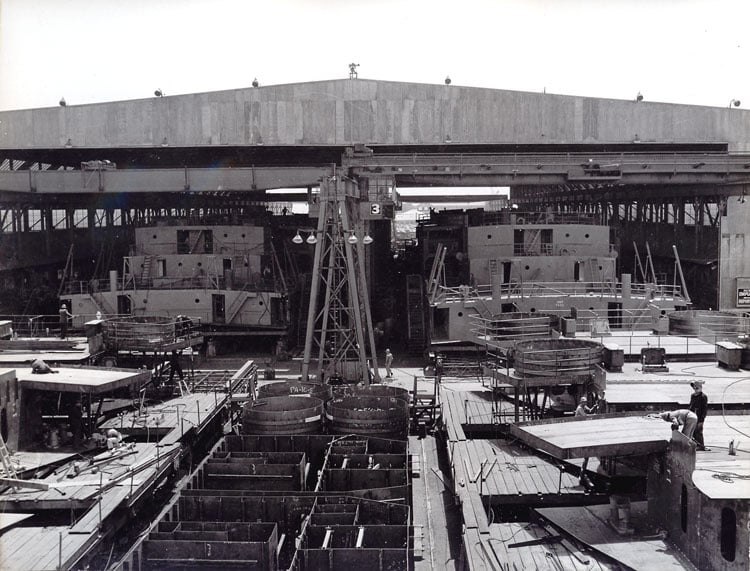
Kaiser Astilleros consisted of a total of seven shipyards that were used to build and repair vessels. The shipyards played an important role during World War II. Amianto use at Kaiser Astilleros exposed thousands of workers and put them at risk for mesotelioma and other amianto illnesses.
Si usted o un ser querido sufre de mesotelioma, amianto-related lung cancer, or asbestosis, you may qualify for substantial compensation. Currently, there is over $30 billion in amianto trust funds, awaiting those who’ve been diagnosed with an amianto illness. Fill out our form to get a free Financial Compensation Packet. You’ll learn about the experienced mesotelioma lawyers in your area, how to get paid in 90 days, how to file a claim for the amianto trust funds, and more.


Paquete de compensación financiera GRATUITO
- Información sobre despachos de abogados que recuperarán su INDEMNIZACIÓN MÁS ALTA
- Aprenda cómo cobrar en 90 días
- Solicite su parte de $30 mil millones en fondos fiduciarios
Did Kaiser Shipyards Use Asbestos?
All shipyards in the U.S. used amianto for many years. The years of peak amianto use in shipbuilding and repair were from the 1930s to the 1970s.
Kaiser is one of many shipyards that used amianto. Amianto went into insulation and other materials on ships to protect against heat and fire. The use of amianto only ceased when its dangers became more well-known, and the government began regulating it.
Kaiser Shipyards History
The Kaiser Astilleros consisted of seven shipyards along the West Coast in California, Washington, and Oregon:
- Four Richmond Shipyards in Richmond, California
- Oregon Shipbuilding Corporation in Portland, Oregon
- Swan Island Shipyard in Portland, Oregon
- Vancouver Shipyard, in Vancouver, Washington
Kaiser Shipyards in World War II
Henry J. Kaiser founded Kaiser Astilleros in 1941 in response to the U.S. Maritime Commission’s call for shipbuilding for World War II. An industrialist, Kaiser already had experience in shipbuilding for the Maritime Commission and for Great Britain.
Beginning with the Richmond Astilleros, Kaiser would go on to open seven shipyards and build nearly 800 ships during wartime production.
Kaiser Shipbuilding was short-lived, serving a wartime need only. In 1945, the four California shipyards closed down, followed by the closure of one of the Portland and Vancouver sites.
The only remaining shipyard, the Swan Island Portland Astillero, is now managed and operated by Cascade General.
Notable Facts About Kaiser Shipyards
During its short run, Kaiser Astilleros set records and led a movement to diversify the American workforce. With men going off to war, Kaiser recognized the need to include women and minorities in shipyards. He even fought unions to ensure Black workers could work toward skilled, unionized jobs.
Kaiser Astilleros set a record for building a ship in less than five days. This was the SS Robert E. Peary. It also built the SS Joseph N. Teal ten days. These were Liberty ships, cargo ships used during World War II.
How Did Kaiser Shipyards Use Asbestos?
Kaiser Astilleros relied on amianto for its resistance to heat and fire, ease of use, and affordability. Throughout most of the war, Kaiser Astilleros used amianto in various equipment, rooms, machinery, and more.
Ships built at Kaiser and at other shipyards during this period contained hundreds of amianto components. Some of these include:
- Aislamiento
- Revestimiento de tuberías
- Wall panels
- Cemento
- Textiles
- Juntas
- válvulas
- Zapatillas
- Adhesivos
How Were Kaiser Shipyard Workers Affected By Asbestos?
Often, employees and contractors worked in poorly ventilated shops, increasing their risk of developing an amianto-related disease.
Kaiser Astilleros also never required workers to wear protective gear while working around amianto.
A pesar de documents confirm that la Marina de los EE. UU. knew full well of the peligros del amianto, they never enforced the use of respirators or any other form of safety protection against fibras de amianto.
Numerous workers performing different job functions at Kaiser Astilleros were exposed to amianto daily, including:
- Aisladores
- Boilermakers
- Mecánica
- Pipfietters
- Steamfitters
- Repair workers
- electricistas
Asbestos Lawsuits Against Kaiser and the Kaiser Asbestos Trust Fund
As more and more workers developed amianto-related illnesses numerous years after working at Kaiser Astilleros, demandas began to stack up.
Most lawsuits were against manufacturers that supplied amianto-containing products to the shipyard. Per the U.S. Marina de guerra, more than 200 types of amianto-containing products from many different companies were used at shipyards throughout the nation.
In 2006, the Kaiser Amianto Personal Injury Trust was created after thousands of lawsuits against Kaiser started mounting.
This includes the shipyards and “any valid amianto personal injury claims for which Kaiser has legal responsibility.”
Kaiser’s amianto-containing products, which included materials also sent to the construction, aerospace, and automotive industries, include:
- Aislamiento
- Unitab bricks
- Fire bricks
- Ore
- Finishing mud cement, and
- Cemento
How to Seek Compensation for Asbestos at Kaiser Shipyards
If you were affected by Kaiser amianto products, contact an bufete de abogados especializado en amianto to learn about your legal options for seeking compensation.
If you or a loved one has a diagnóstico de mesotelioma, you may be eligible to file a lawsuit against amianto companies. Asentamientos can provide valuable compensation for victims or their families who lost loved ones to amianto exposure.
The Kaiser amianto trust is another option. When amianto companies go bankrupt, they can no longer be sued but should have trust funds available. A mesothelioma lawyer can review your case and help you take action to seek compensation.
Additional Resources and Help for Asbestos Victims
If you’ve been injured by mesotelioma, amianto-related lung cancer, or asbestosis, keep in mind that there is a good chance that you’ll qualify for considerable compensation. No olvides rellenar nuestro formulario para obtener nuestro regalo gratis. Financial Compensation Packet, filled with information on the experienced amianto y mesotelioma attorneys in your area.