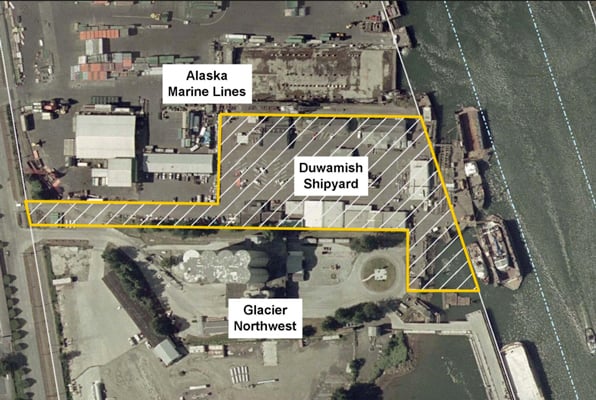
The Duwamish Astillero, located in Seattle, Washington, was one of the largest shipbuilding sites in the nation. It focused on repairing vessels and related equipment. Duwamish Astillero used amianto in numerous products, putting many workers at risk of developing mesotelioma y otras enfermedades.
Si a usted o a un ser querido le han diagnosticado mesotelioma, amianto-related lung cancer, or asbestosis, you may be eligible for substantial compensation. There is currently over $30 billion in amianto trust funds set up for víctimas de enfermedades relacionadas con el amianto. Fill out our form to get a free Financial Compensation Packet. You’ll learn about the experienced mesotelioma lawyers in your area, how to get paid in 90 days, how to file a claim for the amianto trust funds, and more.


Paquete de compensación financiera GRATUITO
- Información sobre despachos de abogados que recuperarán su INDEMNIZACIÓN MÁS ALTA
- Aprenda cómo cobrar en 90 días
- Solicite su parte de $30 mil millones en fondos fiduciarios
Did Duwamish Shipyard Use Asbestos?
Duwamish Astillero used amianto in its ship maintenance and repair operations for decades. Shipbuilding and ship repair long used amianto for its ability to insulate and fireproof.
Until regulations forced shipyards to stop using it, amianto was heavily used in shipyards like Duwamish from about the 1930s to the 1970s.
Duwamish Shipyard History
The Duwamish Astillero was established in May 1941 after it was acquired from King County.
- In the beginning, the primary function of the shipyard was the repair and maintenance of ships and ship-related equipment. The shipyard contained a graving dock and two dry docks.
- During the 1970s, Duwamish Shipyard expanded substantially, and the employee rate grew to around 500 workers.
- During this time, the shipyard took on shipbuilding but could not keep up with the demand. It eventually reverted to the repair and maintenance of vessels only.
- Over the years, Duwamish Shipyard’s productivity began to dwindle until it finally shut down permanently in 2007.
Duwamish was just one of several shipyards in the area to close in the 2000s. Duwamish and other industrial operations, like Lockheed Shipbuilding, left the Duwamish River contaminated with numerous substances, like PCBs and amianto. Cleanup projects are being planned for the Duwamish Superfund Site.
How Did the Duwamish Shipyard Use Asbestos?
Uno de los primary uses of amianto-containing products at Duwamish Astillero was in refitting and overhauling hundreds of barges. This continued throughout the late 1970s when the Environmental Protection Agency (EPA) placed strict regulations on the use of amianto at job sites, including shipyards.
The shipyard restored many vessels with amianto-containing products. One such restoration on the Lightship No. 83 vessel contained excessive amounts of amianto.
Additional amianto was found in the following products and materials and Duwamish Astillero:
- Boiler room parts
- Generator exhaust pipe insulation
- Steam drum insulation
- Feedwater heater insulation
- Steam piping insulation
- Juntas
- válvulas
Who Was Harmed By Asbestos at Duwamish Shipyard?
Anyone who worked at Duwamish during the years of amianto use was at risk for exposure. Amianto releases small fibers into the air that anyone in the area can inhale. Even workers who did not handle amianto could have been exposed.
The workers at greatest risk handled amianto materials. They cut into the materials, manipulated them, or removed and installed them. This caused the materials to release fibers right around the workers, who most likely inhaled them.
Duwamish Shipyard Cleanup
The Washington State Department of Ecology (DOE) created an agreement in 2010 with the shipyard to clean up the site.
Duwamish Astillero accepted the agreement and took responsibility for the cleanup under the Model Toxics Control Act.
According to the DOE, the Duwamish Astillero agreed to:
- Remedial Investigation (RI). The RI will collect data necessary to adequately characterize the contamination in soil, groundwater, stormwater, and sediments.
- Feasibility Study (FS). The FS will use the results of the RI to propose cleanup alternatives for the site.
The DOE states the cleanup and remediation of the site is still underway. Aside from amianto, other toxic substances found at Duwamish Astillero include arsenic, cadmium, chromium, copper, lead, zinc, and more.
Compensation for Former Duwamish Workers
There have never been any amianto-related lawsuits filed against Duwamish Astillero. This is because workers file cases against the amianto manufacturers that provided asbestos to shipyards.
If you worked at Duwamish and were diagnosed with an amianto illness, you could be entitled to compensation through a lawsuit. A mesothelioma lawyer can review your case and determine which companies are responsible for your illness.
Additional Help and Resources
If you’ve been injured by mesotelioma, amianto-related lung cancer, or asbestosis, keep in mind that there is a good chance that you’ll qualify for considerable compensation. No olvides rellenar nuestro formulario para obtener nuestro regalo gratis. Financial Compensation Packet, filled with information on the experienced amianto y mesotelioma attorneys in your area.