El Curtis Bay Guardia Costera Yard, now known as the United States Guardia Costera Yard, is the U.S. Guardia Costera‘s primary shipbuilding and repair facility. The shipyard used large amounts of amianto in the past, exposing workers. Many civilian workers and veteranos later developed mesotelioma and other amianto-related illnesses.
Si a usted o a un ser querido le han diagnosticado mesotelioma, amianto-related lung cancer, or asbestosis, you may be eligible for substantial compensation. There is currently over $30 billion in amianto fondos fiduciarios darse de víctimas de enfermedades relacionadas con el amianto. Fill out our form to receive our free Financial Compensation Packet. Our packet is loaded with information on experienced mesotelioma attorneys in your area, how to file a claim for amianto Fondos fiduciarios, cómo recibir el pago en 90 días y más.


Paquete de compensación financiera GRATUITO
- Información sobre despachos de abogados que recuperarán su INDEMNIZACIÓN MÁS ALTA
- Aprenda cómo cobrar en 90 días
- Solicite su parte de $30 mil millones en fondos fiduciarios
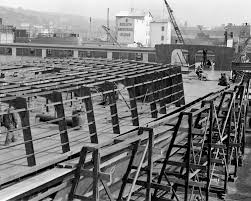
Did Curtis Bay Coast Guard Yard Use Asbestos?
Curtis Bay Guardia Costera Yard used amianto in its operations for several decades. Like other shipyards, Curtis Bay relied on amianto to insulate and protect against fire on vessels.
Amianto use in shipyards like Curtis Bay lasted from about the 1930s through the 1970s. By the 1970s, the harmful health effects of amianto exposure were well known and government regulations came into effect.
Curtis Bay Coast Guard Yard History
El Curtis Bay Guardia Costera Yard, established in 1899, began as both a boat repair facility and a training academy. By 1910, the shipyard began building vessels and continued to repair boats.
- These activities continued throughout World War II. The war brought about additional work for the shipyard, including buoy manufacturing and construction and complete vessel overhauls.
- World War II also brought a newly constructed 3,000-ton dry dock to Curtis Bay Shipyard, in addition to a new concrete pier and two new shipways.
- The shipyard was designated as the official U.S. Coast Guard Yard during this time. An estimated 3,100 civilian workers were employed at the shipyard during the war.
- As World War II ended, work ended for many employees as the shipyard focused on repairing vessels and building wooden boats. It also continued to overhaul old ships and create numerous larger vessels.
- Operations at Curtis Bay Coast Guard Yard slowed after WWII. Many people lost their jobs.
Today, the facility is called the U.S. Guardia Costera Yard. It is the only shipbuilding facility serving the Guardia Costera and continues to operate as a repair center. Approximately 1,300 people work there today.
How Was Asbestos Used at Curtis Bay Coast Guard Yard?
The use of amianto at Curtis Bay Guardia Costera was typical of both civilian and militar shipyards of the time. The military used more than 300 amianto-containing products before the EPA regulated amianto use.
Amianto was known to have been used in the following at the Curtis Bay Guardia Costera Yard:
- Electric wiring
- Electric equipment
- Pipes
- Pipe fittings
- Aislamiento
- Deck coatings
- Piso
- Engine and boiler rooms
Amianto may have also been used in:
- Life boats
- Utility boats
- Response boats
- Port security boats
Amianto was also in the pipes and insulation in buildings in the Guardia Costera Yard. It could be found in equipment, machinery, and vehicles.
Who Was Exposed to Asbestos at the Curtis Bay Coast Guard Yard?
Both civilians and the men and women of the Guardia Costera were affected by amianto at the shipyard. Anyone who worked at Curtis Bay Guardia Costera Yard was at risk of amianto exposure and later illnesses.
Amianto sheds tiny fibers that can be inhaled or ingested by anyone working with or around it. Workers who cut, manipulated, or handled amianto materials had the highest risk of exposure. These included:
- Maintenance and repair workers
- Mecánica
- trabajadores de aislamiento
- trabajadores de calderas
- Instaladores de tuberías
- Steamfitters
- Soldadores
- electricistas
Curtis Bay Coast Guard Yard Superfund Site
The U.S. Environmental Protection Agency listed Curtis Bay Guardia Costera Yard as a Superfund site in 2002. Both the Yard and the EPA contributed to the site’s cleanup, which was riddled with toxic substances like amianto.
The official cleanup of Curtis Bay concluded in 2013. The EPA continues to monitor groundwater on the site. One area may need additional remediation.
Curtis Bay Coast Guard Yard Asbestos Lawsuits
Many workers who developed amianto-related illnesses filed amianto-related lawsuits against the manufacturers that provided the products to the shipyard.
One such amianto manufacturer, Owens-Illinois Glass, faced a lawsuit from the family of Harry Hunter, a man who once worked at the Curtis Bay Guardia Costera Yard in the summer of 1956. He was an electrician and worked regularly with and around amianto materials.
Hunter died of mesotelioma maligno in 2001, but his family carried out the lawsuit and eventually won $4.2 million for Hunter’s wrongful death.
Unfortunately, since the lawsuit was filed in Maryland, state laws prevented the family from getting the total amount, and it was subsequently reduced to $2.6 million.
How Can Curtis Bay Asbestos Victims Get Compensation?
Both veteranos and civilians with an amianto illness can sue the amianto companies that supplied the Guardia Costera. Mesothelioma lawsuits often result in substantial asentamientos Para las víctimas.
Former Curtis Bay workers with mesotelioma may also qualify for compensation claims with fondos fiduciarios de amianto. These are funds set up by amianto companies that filed for bankruptcy because of lawsuits.
Veteranos who served at Curtis Bay may qualify for benefits through the U.S. Department of Veteranos Asuntos (Virginia). Virginia benefits include disability payments, compensation for dependants, and specialist medical care.
If you worked at Curtis Bay and now have an amianto illness, contact an experienced lawyer for advice. You have legal options for seeking compensation.
Additional Help and Resources for Asbestos Victims
If you’ve been injured by mesotelioma, amianto-related lung cancer, or asbestosis, keep in mind that there is a good chance that you’ll qualify for considerable compensation. Remember to fill out our form to get your free Financial Compensation Packet, with information on experienced amianto y mesotelioma lawyers in your area.