Consolidated Steel Corporation’s shipyards relied heavily on amianto for many years. The use of amianto in shipbuilding and repair put workers at risk of exposure. Many later received diagnoses of mesotelioma and other amianto illnesses.
Si a usted o a un ser querido le han diagnosticado mesotelioma, amianto-related lung cancer, or asbestosis, you may be eligible for substantial compensation. There is currently over $30 billion in amianto trust funds set up for those who are victims of enfermedades relacionadas con el amianto. Fill out our form to receive our free Financial Compensation Packet. Our packet is loaded with information on experienced mesotelioma attorneys in your area, how to file a claim for amianto Fondos fiduciarios, cómo recibir el pago en 90 días y más.


Paquete de compensación financiera GRATUITO
- Información sobre despachos de abogados que recuperarán su INDEMNIZACIÓN MÁS ALTA
- Aprenda cómo cobrar en 90 días
- Solicite su parte de $30 mil millones en fondos fiduciarios
Did Consolidated Steel Shipyards Use Asbestos?
Yes, Consolidated Steel used amianto in all of its shipyards during the middle of the 20th century. The peak years of amianto use in shipbuilding and repair were approximately the 1930s to the 1970s.
Amianto was prized in shipbuilding for its ability to insulate and fireproof. It was also lightweight, inexpensive, and readily available.
Consolidated Steel Corporation History
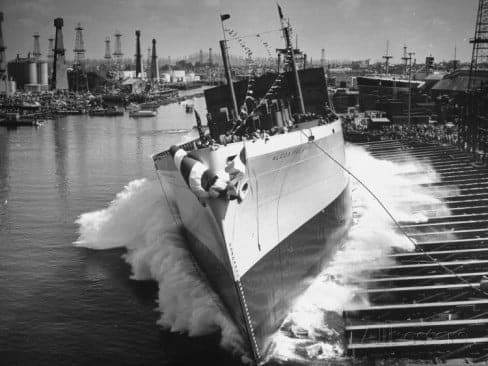
Consolidated Steel Corporation began in 1929 after a merger between Baker Iron Works, Llewellyn Iron Works, and Union Iron Works. The first Consolidated Steel shipyard opened in Long Beach, California.
- By 1941, a new shipyard was built in Wilmington, California. The United States Maritime Commission funded the construction of the shipyard on a $13 million contract. It delivered ships to the Marina de los EE. UU..
- The Wilmington shipyard employed over 12,000 workers, including maintenance workers, pipefitters, boilermakers, steelworkers, and more.
- In 1943, Consolidated Steel Corporation bought Ackerman Boat Works in Newport Beach, California. During World War II, the shipyard constructed 47-foot MTLs, as well as 96-foot TPs, for the United States Army.
- In addition to the Wilmington shipyard, Consolidated Steel Corporation opened its fabrication plant in 1941 in Orange, Texas. A year after its opening, it started building vessels.
- From 1942 until 1945, Orange shipyard workers built various vessels, including several different types of destroyers. The Orange, Texas shipyard employed around 20,000 workers as production needs increased.
- The Consolidated shipyards ceased operations at the end of World War II.
Today, the former Orange, Texas, Consolidated Steel shipyard is the West Orange Shipyard, owned by Signal International. The site of the former Wilmington shipyard is now the Port of Los Angeles container terminal, also known as TraPac.
How Did Consolidated Steel Use Asbestos?
Consolidated Steel Corporation shipyards used amianto for many decades. All shipyards used amianto extensively during the same period, especially during World War II.
Amianto went into hundreds of components used to build ships. It was useful for insulating and fireproofing and is also lightweight, an important property for building ships.
Some of the many ship components that contained amianto incluir:
- Aislamiento
- Pipe coverings
- Calderas
- Zapatillas
- Juntas
- válvulas
- Wall panels
- Azulejos del techo
Asbestos exposure is now known to cause life-threatening diseases, such as mesotelioma maligno y amianto-related lung cancer.
Although the Environmental Protection Agency (EPA) didn’t regulate its use until the 1970s, many manufacturers knew of the risks several decades earlier.
Asbestos at Wilmington Shipyard
Insulation was the primary product that caused amianto exposición at the shipyard. It was used in the construction of the shipyard, including pipes, walls, and more.
Numerous workers at the Wilmington location began to develop mild symptoms of amianto-related illnesses, but they continued to work since the symptoms mimicked common ailments.
The Port of Los Angeles container terminal (TraPac) is now located where the Wilmington shipyard used to be.
Asbestos at the Orange Shipyard
As with the Wilmington, California shipyard, amianto was heavily used throughout the Orange, Texas shipyard.
Amianto-containing insulation was used in flooring, pipes, bulkhead blankets, pipes, walls, and more. Most shipyard workers faced amianto exposure each day they went to work.
Johns Manville and Asbestos at Consolidated Steel
Johns Manville, un amianto manufacturer that faced thousands of mesotelioma lawsuits, was one of the primary amianto suppliers to the Orange shipyard.
Numerous workers at the Orange shipyard filed their own claims against Johns Manville after developing mesotelioma and other amianto-related illnesses.
Johns Manville denied liability against the Orange shipyard workers and stated they were unaware that amianto was dangerous.
A representative for Johns Manville cited scientific data indicating that there was not enough information to show that amianto was harmful.
Regardless, Johns Manville lost so many amianto-related lawsuits that it eventually filed for Chapter 11 bankruptcy protection and created an amianto trust fund to handle all pending and future claims.
Who Was Harmed By Asbestos at Consolidated Steel?
Anyone who worked at any of the Consolidated Steel shipyards was at risk of amianto exposure and illness. By handling amianto materials, they released fibers into the air. Anyone near these fibers likely inhaled them.
The workers at greatest risk of amianto exposure handled amianto materials directly:
- trabajadores de aislamiento
- Instaladores de tuberías
- Repair workers
- trabajadores de calderas
- electricistas
- Fontaneros
How to Seek Compensation for Asbestos Exposure
If you worked at Consolidated Steel or another workplace that exposed you to amianto, you have rights. Amianto illnesses are generally considered personal injuries because they are caused by negligent exposure.
You may be eligible to presentar una demanda against amianto companies that supplied the shipyards. If those companies went bankrupt, you could still qualify for compensation through an fondo fiduciario para el amianto.
Contacte con un abogado de amianto or law firm to review your options. They can investigate your work history and build a case that helps you get the compensation you deserve.
Additional Help and Resources for Asbestos Victims
If you’ve been injured by mesotelioma, amianto-related lung cancer, or asbestosis, keep in mind that there is a good chance that you’ll qualify for considerable compensation. Remember to fill out our form to get your free Financial Compensation Packet, with information on experienced amianto y mesotelioma lawyers in your area.