Owned and operated by the Houston Port Authority, Barbours Cut Terminal has a long history of amianto use. The heavy use of amianto at the original Barbours Cut Container Terminal exposed many workers and put them at risk for mesotelioma and other amianto illnesses.
Si a usted o a un ser querido le diagnosticaron mesotelioma, amianto-related lung cancer, or asbestosis, usted podría tener derecho a una compensación sustancial. Fill out our form to receive our free Financial Compensation Packet. Our packet is loaded with information on experienced mesotelioma attorneys in your area, how to file a claim for amianto Fondos fiduciarios, cómo recibir el pago en 90 días y más.


Paquete de compensación financiera GRATUITO
- Información sobre despachos de abogados que recuperarán su INDEMNIZACIÓN MÁS ALTA
- Aprenda cómo cobrar en 90 días
- Solicite su parte de $30 mil millones en fondos fiduciarios
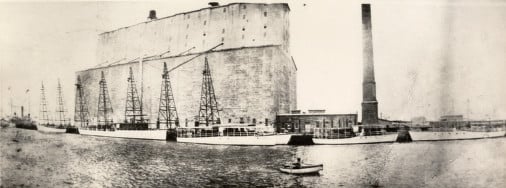
Did Barbours Cut Terminal Use Asbestos?
Yes, like many shipyards and ports, the Barbours Cut Container Terminal used amianto and put workers at risk of exposure. The terminal wasn’t built until the 1970s, at the end of peak amianto use in shipping.
While Barbours Cut isn’t that new, it is a part of the older and more extensive Port Houston. Ports, terminals, and shipyards used amianto in several ways, but primarily because of its ability to insulate and protect against fire.
Barbours Cut Terminal History
Barbours Cut Terminal opened in 1977, which provided a better alternative to the already-established Turning Basin terminal. It is owned by Port Houston.
Turning Basin was more than six hours away from the Gulf of Mexico. Barbours Cut Terminal cut the time in half by being placed only three hours away from the Gulf.
Over time, the terminal expanded to over 250 acres. It also opened a cruise ship terminal, which was used until 2007. Today, Barbours Cut still operates and has undergone several modernizations.
How Was Asbestos Used at Barbours Cut Terminal?
In 2008, a report released by the Environmental Protection Agency (EPA) indicated that Barbours Cut Terminal contained large amounts of amianto.
Shipyards and terminals use amianto mostly as an insulating material. It went into buildings to insulate pipes, furnaces, and boilers. It filled the same role on ships. Vehicles, equipment, and machinery used in ports and terminals contained amianto in friction components like brakes and clutches.
Barbours Cut Terminal Removes Building Containing Asbestos
A 2003 inspection report carried out by the Houston Port Authority Commissioner showed that the terminal’s administration building was littered with amianto. It was subsequently demolished and removed.
The removal, estimated to cost over $30,000, was handled by the Port Authority.
How Did Asbestos at Barbours Cut Harm Workers and Residents?
The use of amianto at the terminal put workers at risk for asbestos-related diseases. Working with or near amianto can lead to exposure through the inhalation of fibers.
In some people, inhaled fibras de amianto caused enough damage to lead to later diagnosis of mesotelioma, cáncer de pulmón, asbestosis, or other illnesses.
Many people in the La Porte and Houston areas developed leukemia, according to a 2007 University of Texas study. The terminal used various hazardous chemicals. Children within a two-mile radius of the terminal are twice as likely to develop leukemia.
Asbestos Lawsuits Related to Barbours Cut
Although there are currently no records of workers filing asbestos-related lawsuits against Barbours Cut Terminal, many who worked at other shipyards owned by the Houston Port Authority filed claims against amianto manufacturers that supplied amianto-containing materials to shipyards.
You could qualify for compensation if you worked at Barbours Cut and now have an amianto illness. Contact a mesothelioma lawyer to find out how to file an asbestos lawsuit or claim compensation through an fondo fiduciario para el amianto.
Additional Help and Resources for Asbestos Victims
Keep in mind that you may qualify for significant compensation if you or a loved one have been diagnosed with mesotelioma, amianto-related lung cancer, or asbestosis. Don’t forget to fill out our form to get our free Financial Compensation Packet, filled with information on the experienced amianto y mesotelioma abogados en tu zona.