In stage 2 mesotelioma cáncer, malignant cells have spread from the original site and may even be in the nearby lymph nodes. Patients in stage 2 don’t always have a good prognosis. Their treatment options might include surgery or be limited to chemotherapy and other non-surgical therapies.
Over $30 billion is currently available in asbestos trust funds for mesotelioma victims. If you’ve been affected by mesotelioma, pulmón relacionado con el amianto cáncer, o asbestosis, usted podría tener derecho a una compensación sustancial. We invite you to fill out our form today for a free Financial Compensation Packet, filled with information about experienced mesotelioma lawyers in your area, how to get paid in 90 days, how to file an asbestos trust fund claim, and much more.


Paquete de compensación financiera GRATUITO
- Información sobre despachos de abogados que recuperarán su INDEMNIZACIÓN MÁS ALTA
- Aprenda cómo cobrar en 90 días
- Solicite su parte de $30 mil millones en fondos fiduciarios
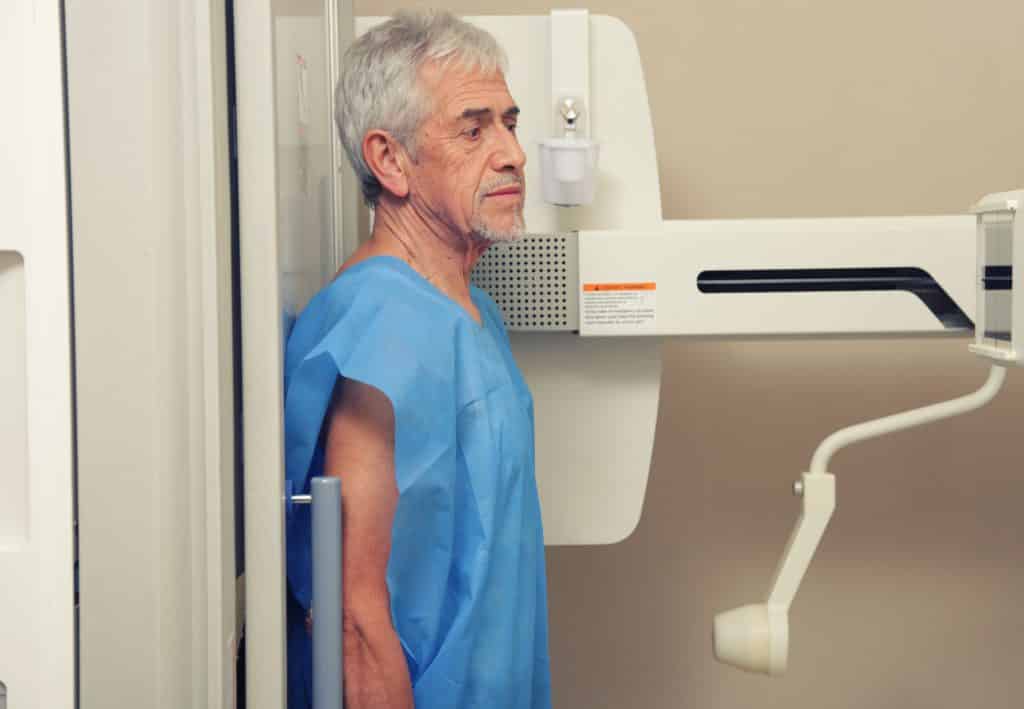
What Is Stage 2 Mesothelioma?
Mesotelioma and other cancers are assigned a stage during the diagnostic process. Using imaging scans, biopsies, and additional information, doctors assign a stage based on where the cáncer originated and how far it has spread.
Stage 2 mesotelioma is the second of four stages, from early to late. This is still considered an early stage, but the cáncer is farther than in stage 1, including to nearby lymph nodes.
During stage 2, patients start to experience mild síntomas del mesotelioma, but these symptoms are not always severe enough to cause concern or lead a patient to seek a diagnosis. If a patient can get a diagnosis during this stage of mesotelioma, the prognosis is typically above average.
Doctors most often use the TNM (Tumor, Node, Metastasis) system to stage mesotelioma pleural from 1 to 4. There is no standard system for staging mesotelioma peritoneal. Doctors usually use a modified form of TNM.
What Are the Characteristics of Stage 2 Mesothelioma?
Stage 2 mesotelioma is a rare diagnosis, but not as rare as stage 1. Most people are diagnosed during the later stages, 3 or 4. During stage 2, patients likely have troubling symptoms, but they might be very similar to more common and less serious illnesses.
There are two scenarios for stage 2 mesotelioma. The first is that the tumors have spread to nearby lymph nodes, to the chest wall near the original tumor, and to one or more of the following areas:
- The pleural tissue around the lungs
- The mediastinum in between the lungs
- The tissue at the top of the diaphragm underneath the lungs
The second scenario is that the tumors are in the chest wall, the pleural tissue, the area between the lungs, and the top layer of the diaphragm on one side of the chest. The tumors have also spread to the diaphragm or lung tissue on just one side of the chest and nearby lymph nodes.
What Are the TNM Designations for Stage 2 Mesothelioma?
Stage 2 mesotelioma can have a combination of TNM designations to describe its characteristics:
- T, for the primary tumor, can be T1 or T2. This means that it has spread within the pleura on one side or, for T2, into lung tissue, the mediastinum, or the diaphragm on the same side of the chest.
- N, to designate lymph node spread, is N1 for stage 2. This means the cancer has spread only to lymph nodes near the primary tumor.
- M, for metastasis, is M0, meaning the cancer has not spread to distant tissues or organs.
Stage 2 Peritoneal Mesothelioma
Doctors may use the Peritoneal Cancer Index, TNM, or a modified combination of the two to stage peritoneal mesotelioma. There are very few cases of this rare mesotelioma type that develops in the abdomen, so there is no official staging system.
Generally, stage 2 peritoneal mesotelioma has primary tumors in the peritoneum, some nearby tissues or organs, and nearby lymph nodes.
Is Stage 2 Mesothelioma Curable?
Pleural mesotelioma is usually considered incurable. Some patients in the early stages achieve remission with aggressive treatment, but there is always a chance the cáncer will recur.
The chance of remission in stage 2 is limited but possible. Patients have the best chance of remission if they choose aggressive surgery that removes a lot of tissue along with adjunctive therapies.
Peritoneal mesotelioma patients have a better chance of remission. A standard therapy that involves removing tumors surgically and using regional chemotherapy is effective for many patients in the early stages.
Stage 2 Mesothelioma Symptoms
Symptoms during stage 2 mesotelioma are often more pronounced than in stage 1. They might still seem like the symptoms of something more common and less serious. This is one reason few patients are diagnosed during an early stage. Doctors can easily mistake early-stage mesotelioma for another illness.
In stage 2 of the disease, if the patient has pleural mesotelioma, symptoms may include:
- Dolores en el pecho
- Tos
- Dificultad para respirar
- Dificultad para respirar
- Pérdida de peso inexplicable
- Fiebre
For those with peritoneal mesotelioma, symptoms include:
- Stomach pain
- Bloating
- Irregular bowel movements
- Unusual weight fluctuations
Patients with other types of mesotelioma, such as pericardial, may experience a combination of all of the above, along with sweating and fevers. As the stages increase, these symptoms become more pronounced.
If you’ve been exposed to asbestos, seek medical assistance right away, even if you think your symptoms seem minor.
Mesotelioma symptoms mimic the common cold and flu, so it’s imperative to be proactive instead of assuming that your ailments aren’t dangerous.
Provide your physician with your work history, including all occasions you were exposed to asbestos.
Stage 2 Mesothelioma Treatments
Stage 2 mesotelioma patients still have several treatment options. Many patients qualify for surgery. Even with surgery, most patients receive multimodal treatment, combining one or more therapies.
Surgery for Stage 2 Mesothelioma
Treatment teams almost always recommend surgery as long as the tumor is in one area and the stage 2 patient is in good health. Multimodal treatment with surgery is the best way to extend a patient’s life expectancy. There are a few options for mesothelioma surgery:
- Neumonectomía extrapleural (PPE). EPP is the most radical procedure that is not recommended for many patients. It involves removing a lot of tissue, including one lung. It is a risky procedure, and patients must be in good health to be eligible.
- Pleurectomy/Decortication (P/D). P/D is also known as lung-sparing surgery because the surgeon removes all of the pleural tissue but does not remove a lung. They remove a lot of other tissue, so this can still be a risky procedure.
- Cytoreductive Surgery. This type of procedure means that the surgeon removes as much of the cancerous tissue as possible.
Stage 2 Chemotherapy and Radiation Therapy
Surgery for stage 2 of mesotelioma is used along with chemotherapy or radiation therapy. Doctors may also use other emerging treatments, like targeted drugs or immunotherapy.
The other treatments can be used to shrink tumors before surgery or eliminate cáncer cells the surgeon could not remove.
Stage 2 mesotelioma patients who do not qualify for surgery due to age, overall health, or other reasons benefit from these other treatments. The standard approach is to use chemotherapy with immunotherapy or radiation therapy.
What Is the Prognosis for Stage 2 Mesothelioma?
The prognosis for any stage of mesotelioma is usually not positive. It is better for patients in stages 1 or 2, but is usually still considered terminal.
How Long Can You Live with Stage 2 Mesothelioma?
Life expectancy is highly variable with mesotelioma. Each patient’s estimated life expectancy is based on individual factors like age, health, and treatment choices.
The stage is one of the most important factors in estimating life expectancy for mesotelioma patients. According to the American Cancer Society (ACS), stage 2 patients have a life expectancy, on average, of about 20 months.
These statistics are not set in stone; each individual’s life expectancy can vary. While some patients may be given a life expectancy of months, they may go on to live many years.
Patients in stage 2 mesotelioma have reason to hope. They still have many treatment options and a decent prognosis. It’s important to start treatment as soon as possible.
What Is the Survival Rate of Mesothelioma at Stage 2?
Another useful statistic for determining prognosis is the survival rate. The five-year-survival rate is the percentage of patients from a large group still alive five years after their diagnosis.
The five-year survival for stage 2 mesotelioma of all types is between 16% and 24%. Survival rates are higher for peritoneal mesotelioma patients.
How Quickly Does Stage 2 Mesothelioma Progress?
Mesotelioma initially progresses slowly. The latency period, the time from asbestos exposure to diagnosis, is usually several decades. Once symptoms are obvious, however, mesotelioma progresses rapidly.
Stage 2 mesotelioma can progress to stage 3 within months or even weeks. This is why getting diagnosed and beginning treatment as soon as possible is so important.
How to Improve Your Stage 2 Mesothelioma Prognosis
Being diagnosed with mesotelioma often feels like you have no control over how your disease progresses, but this isn’t true. Stage 2 still gives you a lot of treatment options. To improve your prognosis, do the following:
- Start treatment as soon as possible to slow the spread of this aggressive cancer.
- Choose the most aggressive treatments you are qualified for and can tolerate.
- Work with mesothelioma specialists, who have the most experience helping mesothelioma patients.
- Work with a team of specialists, who can provide a range of complementary treatment options.
- Ask your medical team about alternative and mental health therapies that can help you manage symptoms and cope with treatments.
- Make lifestyle choices that optimize your health, like eating well and getting enough sleep. Patients in better overall health have better outcomes.
It is important that you talk to your medical team about your treatment goals. They can help you choose the right treatment plan if you want to extend your life. You do not have to choose aggressive treatments with a lot of side effects. The choice is yours, so make sure your doctors understand your goals to help you achieve them.
Obtener ayuda
Recuerde, si le han diagnosticado mesotelioma, pulmón relacionado con el amianto cáncer, o asbestosis, there is a good chance you qualify for significant compensation. Don’t forget to fill out our form to get our free Financial Compensation Packet, filled with information on the experienced asbestos and mesotelioma abogados en tu zona.