The U.S. Navy constructed many of its battleships with amianto in hundreds of components. These materials caused exposure, and many veteranos who served on battleships now face life-threatening illnesses. Navy veteranos with mesotelioma and other amianto illnesses are entitled to benefits.
If you or a loved one have mesotelioma, amianto-related lung cancer, or asbestosis, you may be eligible for a large amount of compensation. Currently, there is over $30 billion in amianto trust funds set up for those who have been diagnosed with an amianto-related illness. Fill out our form to get a free Financial Compensation Packet. You’ll learn about the experienced mesotelioma lawyers in your area, how to get paid in 90 days, how to file a claim for the amianto trust funds, and more.


Paquete de compensación financiera GRATUITO
- Información sobre despachos de abogados que recuperarán su INDEMNIZACIÓN MÁS ALTA
- Aprenda cómo cobrar en 90 días
- Solicite su parte de $30 mil millones en fondos fiduciarios
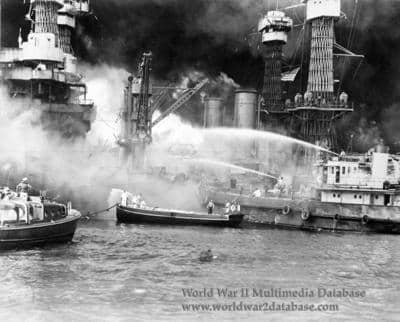
About Battleships in The U.S. Navy
The U.S. Navy constructed its battleships with amianto components for decades. Battleships were the most powerful warships during the 19th and 20th centuries.
- The first use of battleships was during the 1700s.
- During World War I, battleships dominated as the military’s best naval weapon. They were armored and included heavy artillery.
- The dreadnought battleship was the most common type of battleship used in the 20th century.
- The ship designation for battleships was BB. Different classes within the BB designation included fast, standard, and coast defense battleships.
- Battleships began to decline as the most powerful Navy vessels when World War II began. By the end of the war, the construction of battleships ceased.
- Aircraft carriers replaced the once-powerful battleships. Battleships, to this day, remain inactive.
- The last battleships struck from the U.S. Naval Registry in 2006 were the USS Wisconsin and the USS Iowa.
A History of Battleships in the U.S. Navy
The U.S. Navy’s first armored, modern battleship was the USS Monitor. The Union used it during the Civil War. The Confederate States also had a battleship, the CSS Virginia.
These early battleships led to the development of more modern versions. Battleships were armored and armed and used for attack and defense. They were built to be a balance between big and powerful and also fast.
The U.S. Navy’s 20th-century battleships were modeled after Great Britain’s 190s HMS Dreadnought, a ship both fast and heavily armored. This kind of ship continued to evolve and peaked during World War II.
After the war, the development of radar began to make battleships obsolete. Radar and aircraft allowed militaries to detect enemy craft. Aircraft carriers could then bring the battle to any location in the world. Battleships were no longer needed to fight at sea or support land battles.
The U.S. Navy decommissioned many battleships after World War II. Some continued to be used in specialized situations and to support other ships or land actions. The last battleships were decommissioned in 2006.
Why Was Asbestos Used on U.S. Navy Battleships?
The U.S. Navy used amianto on all of its ships for several decades. Before the health risks of amianto were widely known, it was prized for its ability to insulate against heat and protect against fire.
Amianto was also lightweight, abundant, and inexpensive. The Navy took advantage of these properties and used amianto in hundreds of components in battleships and other vessels.
According to U.S. militar records and documents, over 300 amianto-containing products were used to construct U.S. Navy vessels.
Where Was Asbestos Used on Battleships?
Amianto went into nearly every area of battleships. Some of the most common uses for amianto on Navy vessels include:
- Aislamiento
- Calderas
- Revestimiento de tuberías
- Juntas
- focas
- válvulas
- Zapatillas
- Equipo de extinción de incendios
- Textiles
- Pintar
- Flooring materials
- Ceiling panels
How High Was the Risk of Asbestos Exposure on Navy Ships?
Anyone serving on board battleships with amianto was at risk for amianto exposure. Amianto is a fibrous material. It easily sheds tiny fibers that anyone in the area can inadvertently inhale or ingest.
fibras de amianto get lodged inside the body, causing inflammation and tissue and cell damage. In some people, this damage leads to later illnesses, including mesotelioma, cáncer de pulmón, o asbestosis.
Many people worked with or around amianto in several industries and in the military. Veteranos who served on ships had some of the highest risks of exposure and later illness for several reasons:
- Working with asbestos materials caused fibers to shed, leading to exposure.
- Battleships and other Navy vessels contained asbestos in hundreds of components.
- Small interior spaces and poor ventilation made it more likely that people on ships would inhale disturbed asbestos fibers.
- Veterans who served on ships were on board for weeks and months at a time, putting them at risk for constant exposure.
Which Veterans Were at Risk for Asbestos Exposure on Battleships?
Anyone who served on U.S. battleships risked amianto exposure, but some had higher risks than others. The risk level varied depending on where a person worked and their role on the ship. Because of these conditions, many veterans with mesothelioma who served on battleships are now seeking the specialized legal and medical support they deserve. Those stationed in small areas of the ship with limited ventilation and a lot of amianto materials were at the greatest risk:
- Boiler rooms
- Salas de máquinas
- Propulsion rooms
- Pump rooms
- Turrets
- Munition storage rooms
Repair and maintenance workers in any area of the ships also had a high risk of exposure. They disrupted amianto materials, potentially dispersing fibers.
Which U.S. Battleships Contained Asbestos?
Most battleships built by the Marina de los EE. UU. contained amianto. These are some of the ships with known amianto components with their commissioning year:
- USS Alabama, 1942
- USS Arizona, 1916
- USS Arkansas, 1912
- USS California, 1921
- USS Colorado, 1923
- USS Delaware, 1910
- USS Florida, 1911
- USS Idaho, 1908
- USS Idaho, 1919
- USS Indiana, 1942
- USS Iowa, 1943
- USS Kansas, 1907
- USS Maryland, 1921
- USS Massachusetts, 1942
- USS Michigan, 1910
- USS Mississippi, 1917
- USS Missouri, 1944
- USS Nevada, 1916
- USS New Hampshire, 1908
- USS New Jersey, 1943
- USS New Mexico, 1918
- USS New York, 1914
- USS North Carolina, 1941
- USS North Dakota, 1910
- USS Oklahoma, 1916
- USS Pennsylvania,1916
- USS South Carolina, 1910
- USS South Dakota, 1942
- USS Tennessee, 1920
- USS Texas, 1914
- USS Utah, 1911
- USS Vermont, 1907
- USS Washington, 1941
- USS West Virginia, 1923
- USS Wisconsin, 1944
- USS Wyoming, 1912
Benefits for Veterans Who Served on Battleships
Mesotelioma is a devastating and costly illness. Veteranos who served on U.S. battleships and now have an amianto illness have options for seeking compensation.
VA Benefits
The U.S. Department of Veteranos Asuntos (Virginia) offers several options for benefits. Disabled veteranos can file a claim for monthly disability compensation. El Virginia rates mesotelioma y amianto lung cancer as 100% disabling, qualifying these veteranos for full benefits.
Veteranos who need assistance in their homes due to illness and disability can also apply for special monthly compensation.
Benefits for families of veteranos with mesotelioma include additional monthly disability payments, dependency and indemnity compensation, and burial benefits.
Specialist medical care is vital for anyone with mesotelioma. Veteranos can seek care from specialists at several Virginia hospitals and medical centers nationwide.
Lawsuits and Asbestos Trust Funds
Veteranos cannot sue the military over amianto exposure, but they can sue companies that supplied the military. Veteranos can presentar una demanda to seek a asentamiento from one or more amianto companies.
Another option for compensation is to file a claim with an fondo fiduciario para el amianto. Amianto companies that went bankrupt set up these funds to compensate victims.
If you served on battleships and now have an amianto illness, contact an experienced lawyer. Amianto law firms can help you take legal action and seek compensation.
Additional Help and Assistance for Asbestos Victims
No olvides rellenar nuestro formulario para obtener nuestro regalo gratis. Financial Compensation Packet, filled with information on the experienced amianto y mesotelioma attorneys in your area. Keep in mind that if you have mesotelioma, amianto-related lung cancer, or asbestosis, you may be eligible for considerable compensation to help cover medical bills, lost wages, pain, suffering, and more. For additional assistance or if you have any questions, contact us at toll-free 800-793-4540.