Charleston Naval Shipyard played an important role during World War I and World War II, supplying the Marina de guerra with ships and employing thousands of civilians. The Charleston Naval Shipyard also used amianto and put workers and Marina de guerra veteranos at risk of exposure. Many later developed mesotelioma illnesses like mesotelioma.
Si a usted o a un ser querido le han diagnosticado mesotelioma, amianto-related lung cancer, or asbestosis, you may be eligible for substantial compensación. There is currently over $30 billion in amianto fondos fiduciarios darse de víctimas de enfermedades relacionadas con el amianto. Fill out our form to get a free Financial Compensación Packet. You’ll learn about the experienced mesotelioma lawyers in your area, how to get paid in 90 days, how to file a claim for the amianto trust funds, and more.


Paquete de compensación financiera GRATUITO
- Información sobre despachos de abogados que recuperarán su INDEMNIZACIÓN MÁS ALTA
- Aprenda cómo cobrar en 90 días
- Solicite su parte de $30 mil millones en fondos fiduciarios
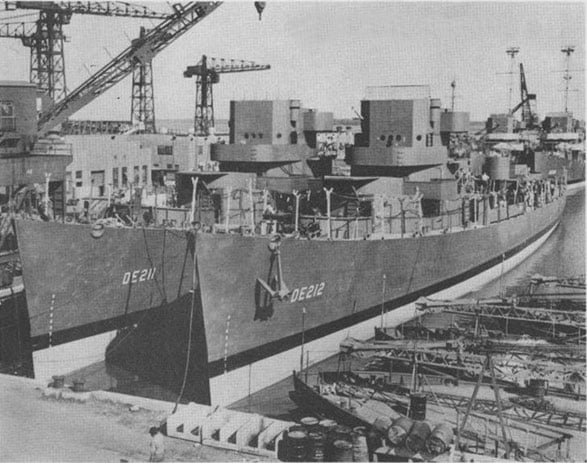
Charleston Naval Shipyard History
Established in 1901, the Charleston Naval Shipyard originally provided primary support and maintenance for U.S. Navy vessels. This included surface ships, submarine tenders, cruisers, destroyers, and frigates.
For nearly 100 years, until its closure in 1996, the Charleston Naval Shipyard employed civilians who helped build hundreds of Marina de guerra ships.
World War I and World War II
Production increased at Charleston Naval Shipyard during World War I. Employment skyrocketed during the war, with more than 5,000 people working at the shipyard. When the war ended, many workers lost their jobs.
The shipyard had considerably fewer employees during the start of World War II, with an average of around 200 workers. However, that quickly changed during the peak of the war, when the shipyard employed close to 26,000 people.
During the wars, two of the largest vessels built at the Charleston Shipyard included the USS Bryce Canyon (AD-36) and the USS Tidewater (AD-31).
When the war ended, the shipyard became a repair and alteration area for captured German submarines.
Korea and Vietnam
During the 1950s, when the Korean War reached its peak, the shipyard again began building vessels. During the Vietnam War, the shipyard built submarines (including nuclear submarines) and missiles.
The shipyard slowed down after the Vietnam War but continued its operations. Workers at the shipyard during this time built submarines, submarine tenders, destroyers, and cruisers.
By the 1980s, the Charleston Naval Shipyard was a large home port that employed thousands of people. Despite this, the shipyard closed permanently in 1996.
Asbestos Use at Charleston Naval Shipyard
Both civilian and militar shipbuilding used asbestos and asbestos-containing materials from approximately the 1930s through the 1970s.
Astilleros like Charleston relied on amianto as an effective insulator and fireproofing material. It was also cheap and abundantly available. As a lightweight material, it worked well on ships.
Some of the many materials and ship parts that contained amianto incluir:
- Aislamiento
- Materiales ignífugos
- Revestimiento de tuberías
- Calderas
- Zapatillas
- Juntas
- válvulas
- Textiles
Who Was at Risk of Asbestos Exposure at Charleston Naval Yard?
Anyone who worked at the Charleston Naval Yard during the years of amianto use was at risk of exposure. Amianto sheds fibers that enter the dust in the air and on surfaces. Anyone in the area likely inhaled some of the fibers.
Workers closest to the amianto materials faced the greatest risk. Workers who handled amianto materials often had to cut into them or manipulate them in ways that released even more fibers. Some of the shipyard workers at greatest risk of amianto exposure included:
- trabajadores de aislamiento
- trabajadores de calderas
- Instaladores de tuberías
- Fontaneros
- electricistas
- Machine operators
- Soldadores
Any workers at Charleston Naval Yard could have been exposed to amianto. This put all workers and Marina de guerra veteranos at risk for later developing mesotelioma, asbestosis, cáncer de pulmón, and other serious illnesses.
Asbestos at Charleston Naval Yard Affected Residents
Shortly after its closing, many people who lived close to the shipyard complained about the mounting numbers of people diagnosed with pleural cancers around the area.
The Department of Health and Environmental Control thoroughly evaluated the community. The organization confirmed that the Charleston region had four times more pleural cancer diagnoses than the expected rate.
Many of the diagnosed cases were from people who once worked at the Charleston Shipyard. Lawmakers in South Carolina passed a law in 2006 to speed amianto lawsuits for residents and workers affected by the shipyard.
Compensation for Victims of Charleston Navy Yard Asbestos
Many former workers and people who lived close to the shipyard filed amianto-related claims and mesotelioma lawsuits against manufacturers that supplied amianto products to the shipyard.
Un amianto o mesothelioma lawsuit could help you recover damages through a asentamiento o jury award. Another option is to file a claim with an fondo fiduciario para el amianto. Amianto companies that went bankrupt over lawsuits created these funds to compensate victims.
Algunos de los amianto companies associated with Charleston Naval Shipyard with active trusts include:
- A.P. Green
- Armstrong
- Babcock & Wilcox
- Combustion Engineering
- Fibreboard
- Flexitallic
- Keene Corporation
- Owens Corning
- Pittsburgh Corning
- U.S. Gypsum
Talk to an bufete de abogados especializado en amianto if you believe you were exposed to amianto at the Charleston Naval Shipyard. An abogado con experiencia en mesotelioma can explain your options, investigate your exposure, and build a case to ensure you have the best chance of receiving compensación.
The Charleston Naval Shipyard Today
Charleston Naval Shipyard ceased operations and closed in 1996. The closure meant that many workers lost their jobs. Since the closure, the site has been redeveloped and repurposed, making up for some of those lost jobs.
Several businesses and organizations have moved onto the property. These include government agencies, nonprofits, academic organizations, and apartment buildings. The site now includes around 5,000 workers, many fewer than the shipyard employed.
Additional Information and Resources
If you’ve been injured by mesotelioma, amianto-related lung cancer, or asbestosis, keep in mind that there is a good chance that you’ll qualify for considerable compensación. Don’t forget to fill out our form to get our free Financial Compensación Packet, filled with information on the experienced amianto y mesotelioma attorneys in your area. Si tiene preguntas o necesita ayuda adicional, contáctenos en 800-793-4540.